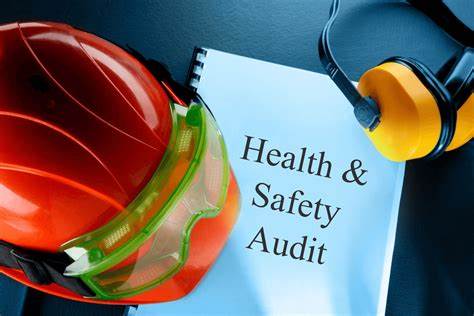
We at JBS Consultants will assist you in the best advice and service delivery in OHS Audits that will suite your pocket and minimum requirements.
Overview
Why do OHS Audit?
Occupational Health and Safety (OHS) audits play a crucial role in ensuring workplace safety, compliance, and continuous improvement. Let’s delve into the reasons why organizations conduct OHS audits:
- QCTO Accreditation: It is a QCTO requirement and compulsory for each Training provider to have their OHS System in place and as for any other types of companies.
- Quality Management and Compliance:
- Auditing is an essential part of quality management for occupational health services. It assesses the competencies, compliance, and shortcomings of the service.
- OHS Audits help identify areas where performance standards are absent or inadequate, ensuring legal compliance and employee/students well-being.
- Systematic Evaluation:
- Audits evaluate the effectiveness of OHS systems, procedures, and practices.
- They provide an independent assessment of whether procedures and systems are in place and functioning as intended.
- Risk Identification and Mitigation:
- Audits identify workplace risks and hazards.
- By assessing risk levels, organizations can prioritize corrective actions to prevent accidents and injuries.
- Benchmarking and Best Practices:
- Audits compare current practices against best practices, legal requirements, and industry standards.
- Organizations can learn from successful approaches and improve their own safety programs.
- Employee Well-Being:
- OHS audits contribute to employee well-being by ensuring a safe and healthy work environment.
- They highlight areas where improvements are needed to protect employees.
- Continuous Improvement:
- Audits encourage a commitment to continuous improvement.
- Organizations can use audit findings to raise standards and sustain best practices.
- Scope and Frequency:
- The scope of auditing depends on the services provided by the occupational health department.
- Audits can be conducted by internal staff, company representatives, or external agencies.
- Regular Auditing (at least every second year) helps maintain safety standards.
Remember that OHS audits focus on systems and processes, not clinical competence. They serve as a valuable tool for enhancing workplace safety and well-being